close
Choose Your Site
Global
Social Media

Views: 0 Author: Site Editor Publish Time: 2026-06-12 Origin: Site


Supply chain disruptions and seasonal demand spikes continuously expose the rigid limitations of traditional, permanent cold storage facilities. Expanding a conventional refrigerated warehouse often takes years and requires massive capital expenditure. Industries managing fluctuating temperature-sensitive inventory need an agile, scalable alternative. They must achieve this flexibility without compromising regulatory compliance or product safety.
Container Cold Storage offers a decentralized, immediate solution. You can deploy these robust units exactly where inventory bottlenecks occur. This guide details the primary sectors utilizing these units today. We will also explore the critical evaluation criteria you need for integrating them effectively into your daily operations.
Agility over CapEx: Container cold storage shifts expansion costs from long-term capital expenditures to flexible operational expenses.
Compliance-Ready: Modern reefer containers meet strict FDA, FSMA, and GDP guidelines for pharmaceuticals and food safety.
Sector-Specific ROI: Value relies on reducing perishability (Food & Ag), ensuring chemical stability (Industrial), and maintaining life-saving efficacy (Pharma).
Deployment Realities: Successful implementation requires proper site preparation, including 3-phase power availability and structural grounding.
Commercial cold storage space remains scarce across global supply chains. Companies face relentless warehouse bottlenecks during peak seasons. Third-party logistics (3PL) providers continue raising their rates in response to this high demand. Relying solely on external 3PL partners leaves your inventory vulnerable to capacity limits. You lose direct control over critical staging timelines.
Building permanent refrigerated facilities involves multi-million dollar investments. Construction projects demand extensive permits, environmental studies, and lengthy contractor timelines. Conversely, scalable leasing or purchasing models offer rapid deployment. You can transition financial burdens from massive capital expenditures to manageable operational expenses. Modular units arrive ready for immediate use. You bypass years of construction delays entirely.
Decentralization provides a massive strategic advantage. Centralized mega-warehouses create significant transportation bottlenecks. Staging inventory closer to regional distribution hubs reduces transit times dramatically. You can place supplementary units directly at manufacturing nodes. This localized approach shields your operations from unexpected logistics delays. A decentralized cold chain adapts quickly to sudden regional market shifts.
Strategic Factor | Permanent Refrigerated Facility | Modular Container Cold Storage |
|---|---|---|
Deployment Speed | 12 to 36 months (permits, construction) | Days to weeks (immediate delivery) |
Scalability | Fixed structural volume | Highly adaptable (add/remove units) |
Financial Structure | High upfront CapEx commitment | Flexible OpEx (leasing) or lower CapEx |
Location Flexibility | Immobile, centralized asset | Relocatable based on regional demand |
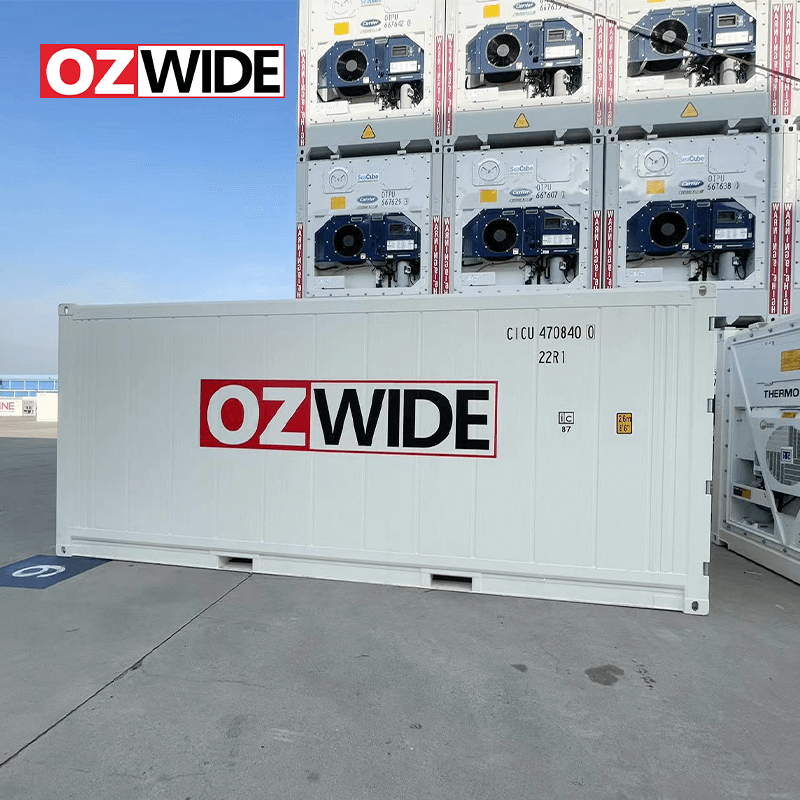
Agricultural harvest peaks bring immense logistical pressure. Fresh produce loses quality rapidly immediately after picking. Farmers must remove field heat as quickly as possible. Implementing on-farm or near-farm chilling extends product shelf life significantly. You can prevent bottleneck-induced spoilage during these critical peak harvest windows. Immediate temperature control drastically reduces overall crop waste.
Food processing and distribution centers require adaptable overflow solutions. Processors frequently handle unexpected influxes of raw ingredients. You might need temporary space for inbound meats, dairy, or fresh vegetables. Finished frozen goods also demand reliable staging before final shipment. Regulatory compliance remains strictly enforced throughout this process. Operators must maintain continuous, tamper-proof temperature logs. These digital records satisfy the Food Safety Modernization Act (FSMA). They also support internal Hazard Analysis Critical Control Point (HACCP) requirements.
Retailers and grocery chains face similar challenges during holiday surges. Grocers often need temporary on-site capacity to handle seasonal spikes. Thanksgiving turkeys, specialty hams, and seasonal produce overwhelm standard backroom coolers quickly. A supplementary unit handles this overflow perfectly. Store managers can position units right in the loading bay.
Common Mistake: Overloading a unit beyond the designated load line blocks vital airflow.
Best Practice: Always leave clearance channels at the top and end of the cargo area. Proper air circulation ensures uniform cooling.
Pharmaceutical companies demand absolute cold chain integrity. Biologics, blood plasma, and vaccines require highly sensitive storage environments. Many clinical materials strictly need ultra-low settings. Other sensitive formulas demand tightly regulated temperature bands, typically between 2°C and 8°C. A single degree of deviation can destroy an entire batch. Adhering to Good Distribution Practice (GDP) guidelines is absolutely mandatory. FDA requirements govern every step of pharmaceutical handling.
Risk mitigation drives infrastructure choices in healthcare logistics. You cannot risk catastrophic inventory loss. Pharmaceutical operations rely heavily on redundant mechanical systems. Dual-cooling architectures provide vital backup operations if the primary compressor fails. Advanced telemetry monitors every variable constantly. Automated alarm systems trigger immediately during minor temperature deviations.
Trusting a mobile unit requires rigorous operational preparation. You must execute comprehensive qualification protocols before utilizing the space. Thermal mapping verifies internal temperature consistency across all zones. Technicians place sensors throughout the empty unit to identify potential warm spots. These validation steps ensure the environment meets all clinical standards safely. You must document these mapping results for compliance audits.
Industrial applications frequently involve highly volatile substances. Chemical manufacturing demands precise environmental control. Temperature-sensitive compounds degrade rapidly in poor conditions. You must store industrial resins, raw polymers, and structural adhesives carefully. Specialty chemicals often become unstable or highly volatile outside specific temperature ranges. Uncontrolled heat accelerates unwanted chemical reactions.
Hazardous materials introduce severe facility safety considerations. Standard commercial refrigeration cannot handle flammable inventories safely. You must assess explosion-proof modifications for these specific products. ATEX-certified units prevent internal spark generation during standard cooling cycles. These specialized modifications utilize sealed electrical components and non-sparking fan blades.
Operational reality dictates strict isolation protocols for dangerous goods. Facilities use external units to isolate volatile chemicals physically. Keeping hazardous materials away from main production floors reduces corporate liability. This decentralized practice also helps operations meet strict local fire codes. Isolating these compounds protects both factory personnel and core manufacturing assets. You can minimize the risk radius of potential chemical incidents effectively.
Proper site readiness guarantees successful equipment deployment. You cannot place a commercial cooling unit on unprepared ground. Infrastructure requirements demand careful pre-delivery planning. These robust machines require dedicated electrical connections. Standard domestic power cannot run commercial cooling compressors.
You must supply adequate 460V 3-phase power directly to the staging site. Alternatively, you can utilize reliable diesel or hybrid generator setups for remote locations. The physical footprint also requires specific environmental conditions. You need level, solid ground like poured concrete or thick asphalt. Proper leveling ensures correct door alignment. It also guarantees adequate water drainage during automated defrost cycles.
Temperature range capabilities determine your actual operational limits. Most high-quality units comfortably maintain internal temperatures between -30°C and +30°C. However, extreme ambient outdoor temperatures impact overall compressor efficiency. Direct summer sun forces the machinery to work significantly harder. Providing external shade improves energy efficiency dramatically.
You must actively choose between leasing and purchasing models. Evaluate your operational timeline carefully to maximize value.
Short-Term Seasonal Lease: Ideal for one to six months. Perfect for covering harvest peaks or holiday retail rushes. Maintenance usually falls under the vendor's responsibility.
Long-Term Strategic Purchase: Suited for permanent facility expansions. Offers better long-term ROI. Requires internal planning for maintenance responsibilities and equipment depreciation schedules.
Selecting the right vendor deeply impacts your daily success. Prioritize partners offering exceptional technical support. Commercial refrigeration requires 24/7 availability for emergency technical assistance. Preventative maintenance Service Level Agreements (SLAs) keep equipment running smoothly year-round. Review these SLA terms carefully before signing any agreement.
Modern Container Cold Storage must include advanced technology packages. Telemetry capabilities remain non-negotiable in today's logistics landscape. Require remote monitoring tools for internal temperature and ambient humidity. Power failure alerts must reach your mobile device instantly. A delayed alert often results in complete product loss.
Ensure the monitoring system integrates smoothly into existing digital platforms. Connect data streams directly into your Enterprise Resource Planning (ERP) software. Supply chain management tools need this real-time visibility for accurate forecasting.
Your immediate next steps require actionable site planning. Conduct a comprehensive internal site audit first. Verify your available power infrastructure and physical yard space. Calculate your precise pallet capacity requirements to determine unit size. Request a tailored quote based strictly on your required temperature profiles.
Container cold storage is no longer just a logistical stopgap. It serves as a powerful strategic asset for supply chain resilience. Food processors, pharmaceutical distributors, and chemical manufacturers all rely on this agile technology. You can bypass long construction timelines and adapt to seasonal inventory spikes immediately.
Base your final investment decision on precise operational realities. Prioritize your specific temperature requirements and the anticipated duration of need. Evaluate your existing site infrastructure readiness before committing to a delivery. Focusing on these practical metrics ensures a seamless integration into your cold chain network.
A: Most standard commercial units easily maintain temperatures ranging from -30°C to +30°C. They can handle deep freezing, standard chilling, and controlled ambient warming. Specialized ultra-low units exist for pharmaceutical applications, capable of reaching -60°C or lower. You must specify your exact temperature needs when sourcing a unit.
A: Yes. Commercial cooling compressors draw significant current. They typically require 460V, 3-phase electrical power. You will need a qualified electrician to install the correct industrial receptacle. If you operate in remote locations without grid access, you can power them using dedicated diesel or hybrid generator setups.
A: The hardware itself is fully capable of meeting strict FDA and FSMA standards. The units feature food-grade stainless steel interiors and continuous temperature logging. However, ultimate compliance depends heavily on the user. You must implement proper thermal mapping, daily monitoring procedures, and rigorous operational cleaning protocols.
A: These units require consistent but manageable maintenance. You should perform quick daily checks on temperature logs and door seals. Monthly maintenance involves cleaning the condenser coils to ensure airflow. Annual professional servicing is mandatory. A certified technician must check refrigerant levels, calibrate sensors, and inspect the electrical components.


